
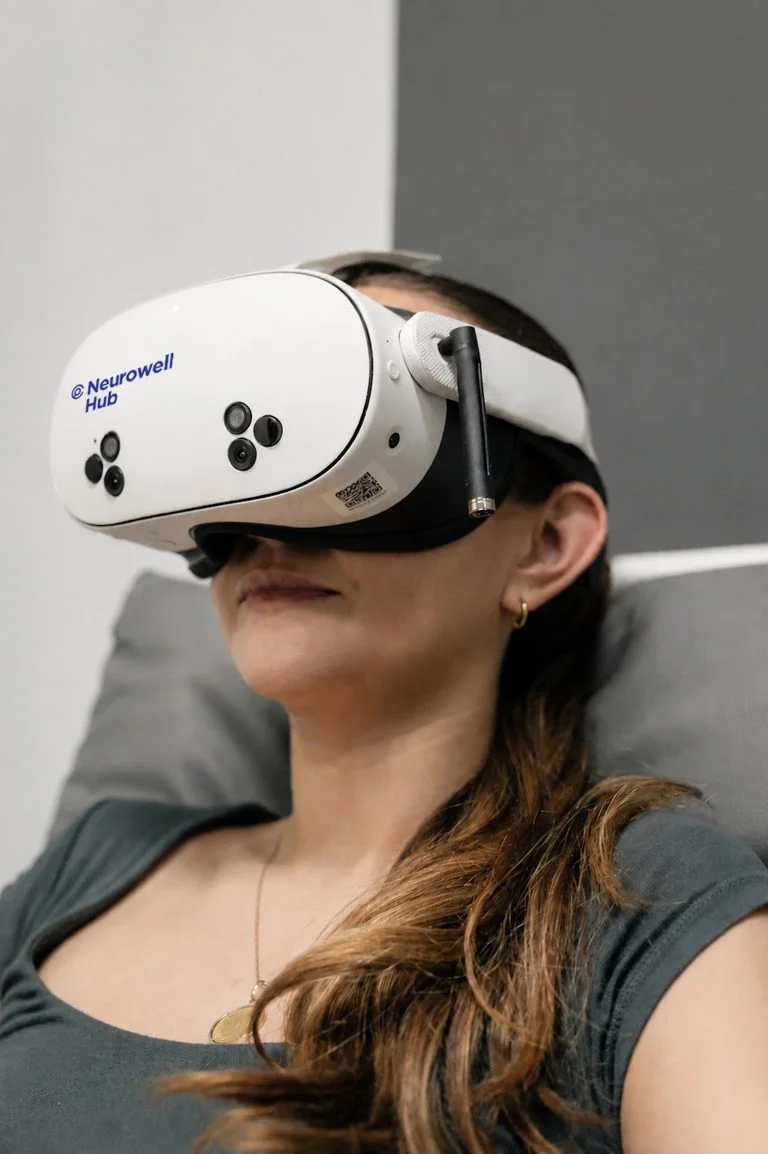
At a clinic in Subiaco, a virtual reality headset is being used as one part of a broader clinician-led system that also includes EEG neurofeedback and psychology. That makes NeuroWell Hub an interesting example of where XR is beginning to appear outside the usual gaming, design and industrial-training settings.
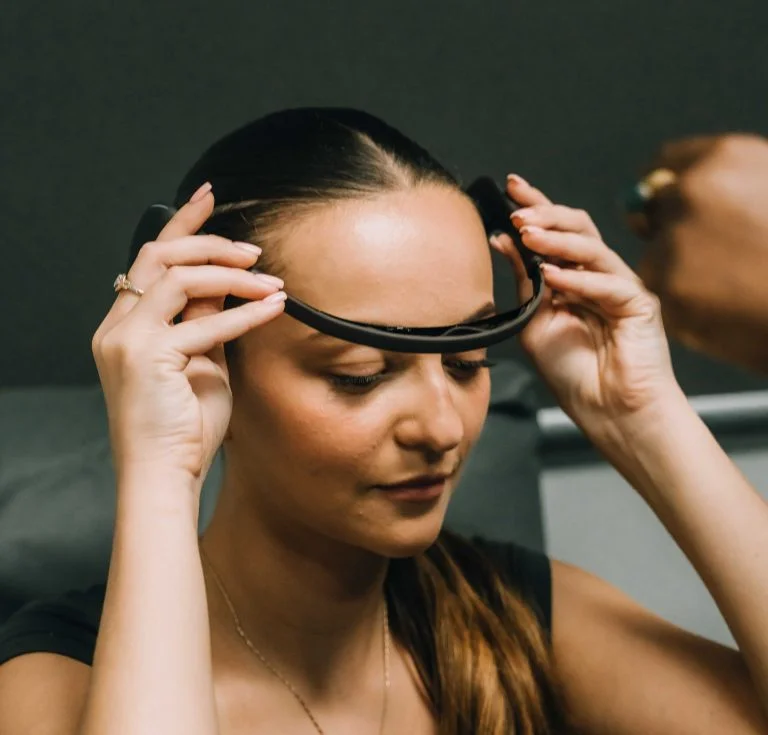
NeuroWell Hub describes itself as a psychology-led clinic combining real-time brainwave data, behavioural science and VR-based mindfulness experiences. Its individual program materials describe neurofeedback-guided VR using Healium, with a clinician supervising sessions and an EEG headband providing live brainwave information.
The headset is only one layer
From an XR perspective, the most interesting part of the model is that the headset is not presented as a standalone app. It sits inside a wider workflow: a clinician, physiological data, a VR experience and follow-up interpretation.
That is quite different from the usual consumer-wellness model of downloading an app and using it alone. NeuroWell’s website says its care is clinically guided and individually paced, while its VR and neurofeedback sessions are designed to work alongside psychology and other services.
Why this is relevant to XR
VR has long been explored in healthcare and wellbeing settings, but the technology becomes more interesting when it is connected to other inputs. Biosignals can potentially change what a user sees or experiences, while clinicians can use those signals as one more source of information during a supervised session.
NeuroWell says its system uses Healium and provides a range of immersive environments. The City of Subiaco has also highlighted the York Street business as part of the area’s wellness community, noting its combination of immersive VR technology, psychology and movement-based services.
Health technology deserves a higher bar
None of that means a headset should be treated as proof of a clinical outcome. Mental-health and wellbeing technologies deserve more scrutiny, not less, because marketing claims can easily move faster than the underlying evidence.
XR Review is reporting on NeuroWell Hub because its deployment model shows an unusual real-world use of immersive technology. We are not endorsing a medical treatment or making a claim that VR or neurofeedback will produce a particular health outcome. People considering healthcare should discuss their own circumstances with an appropriately qualified professional.
For the XR industry, however, the broader lesson is clear: spatial computing is increasingly becoming a component inside larger systems rather than the entire product. In this case, the headset is one interface connecting a person, a clinician and real-time data.